What role do conformal coating materials play in Rigid flex pcb?
conformal coating materials play in Rigid flex pcb
Conformal coating materials play a crucial role in protecting rigid flex PCBs from a variety of environmental stresses and contaminants, enhancing their reliability, longevity, and performance in demanding applications. These coatings form a thin, protective layer over the surface of the PCB assembly, conforming to its contours and providing a barrier against moisture, dust, chemicals, and mechanical damage. Understanding the role of conformal coating materials in rigid flex PCBs is essential for ensuring the durability and functionality of electronic devices in harsh operating environments.
One of the primary functions of conformal coating materials in rigid flex pcb is to provide insulation and electrical insulation properties. By encapsulating the conductive traces, vias, and components on the PCB surface, conformal coatings prevent the risk of electrical short circuits caused by moisture ingress, dust accumulation, or debris contamination. This is particularly important in applications where the PCB assembly is exposed to high humidity, corrosive chemicals, or abrasive particles that could compromise the integrity of electrical connections.
Moreover, conformal coating materials enhance the mechanical strength and durability of rigid flex PCB assemblies, protecting them from mechanical stress, vibration, and shock. By encapsulating delicate components and fragile solder joints, conformal coatings provide a robust barrier against physical damage, reducing the risk of mechanical failures or solder joint fractures. This is especially critical in ruggedized electronic devices used in aerospace, automotive, military, and industrial applications, where reliability and resilience are paramount.
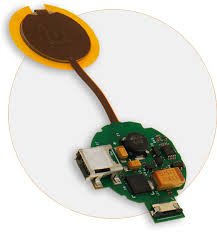
What role do conformal coating materials play in Rigid flex pcb?
Furthermore, conformal coatings offer excellent protection against environmental factors such as temperature extremes, thermal cycling, and UV radiation. By providing a thermal barrier and UV-resistant properties, these coatings help stabilize the temperature of the PCB assembly and prevent degradation of materials due to prolonged exposure to heat or sunlight. This is essential for maintaining the performance and reliability of rigid flex PCBs in outdoor or high-temperature environments where conventional materials may degrade over time.
Additionally, conformal coating materials can improve the chemical resistance of rigid flex PCBs, protecting them from exposure to corrosive substances, solvents, and harsh cleaning agents. By forming a chemically inert barrier over the PCB surface, these coatings prevent the penetration of corrosive fluids and inhibit the growth of mold, fungi, or bacteria that could degrade the performance of electronic components. This is particularly advantageous in applications such as medical devices, automotive electronics, and industrial equipment, where the PCB assembly may come into contact with chemicals or contaminants.
Moreover, conformal coatings can enhance the reliability and functionality of rigid flex PCBs in high-frequency and high-speed applications by reducing signal interference, crosstalk, and electromagnetic interference (EMI). By providing a uniform dielectric barrier with controlled impedance properties, these coatings help minimize signal loss and maintain signal integrity, ensuring optimal performance of electronic devices in sensitive communication or data transmission systems.
In conclusion, conformal coating materials play a multifaceted role in protecting rigid flex PCBs from environmental, mechanical, electrical, and chemical stresses, enhancing their reliability, durability, and performance in diverse applications. By providing insulation, mechanical reinforcement, thermal stability, UV resistance, chemical protection, and EMI shielding, these coatings help extend the operational lifetimes of electronic devices and ensure their functionality in harsh operating environments. As technology advances and the demand for more reliable and resilient electronic systems grows, the importance of conformal coating materials in rigid flex PCBs will continue to increase, driving innovation and advancements in protective coatings for PCB assemblies.















































Post Comment