
What Every Australian Needs to Know

Key takeaways
While financial security is essential, a fulfilling retirement requires purpose, structure, and social engagement.
Many retirees struggle not because they lack funds, but because they haven’t planned for how to spend their time meaningfully.
The happiest retirees are those who stay engaged, keep learning, and reinvent themselves.
Planning should include not just financial stability but also purpose, relationships, and personal growth.
Retirement is a stage of life that most of us look forward to, but few of us truly prepare for beyond the financials – and sometimes not even that!
For years, the conversation around retirement has been dominated by superannuation balances, investment portfolios, and pension eligibility.
But what if I told you that finances are only part of the equation?
In this episode of the Demographics Decoded podcast, Simon Kuestenmacher explains that many retirees struggle not because they don’t have enough money, but because they don’t have a clear sense of purpose once they leave the workforce.
He further explained:
“There’s a psychological adjustment that comes with retirement
For some, it’s liberating; for others, it’s disorienting. And if you’re not prepared emotionally and socially, retirement can be a real struggle.”
What many people don’t realise is that retirement is not just one long holiday—it actually unfolds in four distinct stages.
Understanding these predictable phases can make all the difference in ensuring your retirement is fulfilling, not frustrating.
For weekly insights and strategic advice, subscribe to the Demographics Decoded podcast, where we will continue to explore these trends and their implications in greater detail.
Subscribe now on your favourite Podcast player:
Phase 1: The Honeymoon Phase – the ultimate freedom
Retirement begins on a high note.
After decades of work, the 9-to-5 routine is finally gone, and you’re free to do whatever you please.
This is the phase where you tick off your bucket list:
- Take that dream overseas trip
- Spend leisurely mornings at the café
- Join a golf club or pick up a new hobby
- Enjoy weekday lunches with friends
- Stay up late watching Netflix without worrying about the alarm clock
Many retirees describe this as feeling like they’re back in their early 20s, except with financial security and no exams to worry about.
Simon calls this the “holiday phase” of retirement and says that for those who enter it with financial stability, it can be blissful.
“If you can live in this stage for 20 or 30 years, good on you,” he jokes. “But for most, the novelty of unlimited free time eventually wears off.”
Phase 2: The Lost Phase – who am I without work?
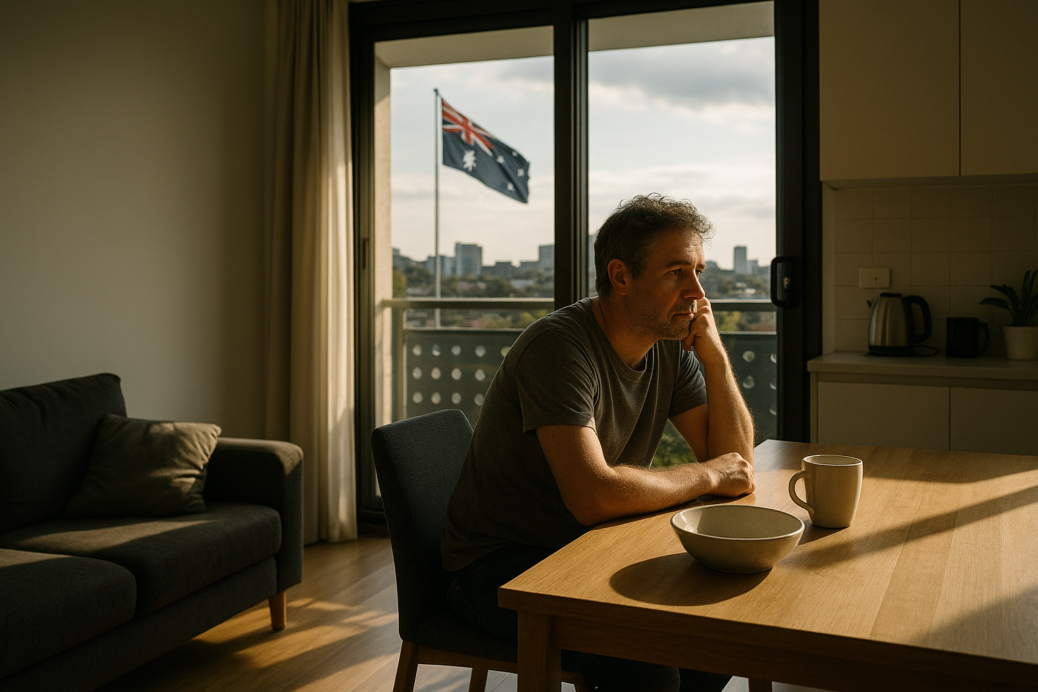
At some point, the lack of structure in retirement that once felt liberating can start to feel overwhelming.
This is when some retirees begin to question their purpose.
Without work dictating their schedule, they wake up and think:
- What am I supposed to do today?
- Do I still have value in society?
- Am I just waiting for the years to pass?
This loss of identity is especially common among men, many of whom have spent their entire lives defining themselves by their careers.
“A lot of men retire and suddenly realise that their entire social network revolved around work,” Simon explains. “Without their job title, they feel like they’ve lost their identity.”
The statistics are concerning:
- Depression and anxiety rates spike in this phase
- Divorce rates increase as retirees mistake their unhappiness for relationship issues
- Loneliness becomes a major issue, especially for those in suburban homes with fewer social interactions
Simon emphasises that this is a stage—not a permanent state.
He said that:
“The key is to recognise that feeling lost is normal and that the next phase offers an opportunity to reinvent yourself.”

Phase 3: The Trial-and-Error Phase – finding purpose again
This is where things start to turn around.
Retirees in this stage begin experimenting with different activities to rediscover their passions and build a new routine.
- Some go back to work in a part-time or consultancy role
- Others take up volunteering, helping in their local community or mentoring young professionals
- Many return to education, learning a new skill, language, or hobby
- Some immerse themselves in family life, spending more time with grandchildren or even moving closer to family
This phase is all about exploration.
Some activities will stick, others won’t.
But what’s important is that retirees are actively searching for meaning and fulfilment again.
Interestingly, Simon compares this phase to being a teenager again:
“You’re once again figuring out who you are, what you enjoy, and where you fit in the world. But this time, you’re in your 60s or 70s instead of your teens.”
Phase 4: The Fulfillment Phase – retirement at its best
Those who successfully navigate the trial-and-error phase find their rhythm in retirement.
They’ve redefined their identity, found activities that bring them joy and established a new social network.
This is when retirement feels the most rewarding. It’s about:
- Enjoying time with family, friends, and hobbies
- Feeling connected to the community
- Having a strong sense of purpose
“This is the stage we should aim to get as many retirees to as possible,” Simon says. “Because those who get stuck in the ‘lost phase’ often suffer serious mental and physical health consequences.”

Why retirement is changing
Unlike previous generations who retired at 60 and never worked again, modern retirees are increasingly phasing into retirement.
Instead of quitting work overnight, many are:
- Cutting back to part-time work
- Working as consultants or mentors
- Sitting on boards or advisory panels
- Running small businesses or passion projects
This gradual transition allows them to stay engaged while still enjoying the perks of retirement.
The financial reality of retirement
Retirement today is more expensive than it was 40 years ago.
While Australians are living longer, the rising costs of housing, healthcare, and daily expenses are putting pressure on retirement savings.
Many baby boomers, in particular, worry that they will outlive their money.
Simon points out a common scenario:
“We all know that one elderly widow who owns a million-dollar home but lives on a tight pension.
She could sell the home, downsize, and enjoy a more comfortable lifestyle, but she chooses not to, because of emotional attachment to the family home.”
The challenge for retirees is balancing financial security with quality of life.
The rise of retirement living communities
One of the biggest demographic trends is the growth of retirement communities, not nursing homes, but active lifestyle villages where retirees can live independently while staying socially connected.
“These are like college dorms for retirees,” Simon explains. “But instead of lectures, there are community activities, social clubs, and healthcare support.”
As the over-70 population booms, demand for these communities is skyrocketing.
Developers are scrambling to build them, particularly in affluent suburbs, where retirees want to stay close to their families.
“More retirees are realising that loneliness is a bigger problem than downsizing,” Simon says. “They want to be part of a community, and retirement villages offer that.”
Final Thoughts: planning for more than just money
Retirement isn’t just about superannuation balances, it’s about purpose, social connections, and mental well-being.
As Simon wisely puts it:
“The happiest retirees are the ones who stay engaged, keep learning, and reinvent themselves.”
So as you plan for retirement, ask yourself:
- What will I do with my time?
- Who will I spend time with?
- How will I stay engaged and fulfilled?
Because a successful retirement isn’t just about making your money last, it’s about making the most of the years ahead.
If you found this discussion helpful, don’t forget to subscribe to our podcast and share it with others who might benefit.
Subscribe now on your favourite Podcast player:




























Post Comment