The Art of Piano Transcription As Critical Commentary
The Art of Piano Transcription
Piano transcriptions are an important tradition that began in the 18th century when virtuoso pianists fashioned their own arrangements of flute sonatas, opera arias, and symphonies to play on their instrument. During a time when recorded music was not yet available and travel to concert halls could be difficult, piano transcriptions allowed musicians to enjoy musical masterpieces in their living rooms.
Franz Liszt ushered in a new era with his virtuoso piano transcriptions that added complex embellishments to the original works. Today, pianists are using their own creativity and musical insights to reimagine the art of piano transcription. Host David Dubal begins a four-part series to celebrate these artistic interpretations, which are often the sole reason for an artist’s fame.
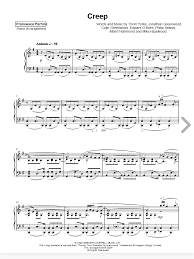
This first episode explores how pianists think about the art of piano transcription as critical commentary. Rather than a mechanical process, transcription is an exercise in creative analysis and recomposition that helps pianists make sense of the complexity of musical forms by linking them together in a meaningful way.
https://tartalover.net/nicole-pesce
The Art of Piano Transcription As Critical Commentary
Pianists also talked about the nuances of memorising piano transcriptions, especially when they are very complex and temporally demanding. Many pianists reported that they need to work in chunks and to rely on specific landmarks to guide their performance, such as fingerings or harmonies. This is similar to the concept of ‘performance cues’ that is advocated in PC theory (Chaffin & Ginsborg, 2012; Chaffin et al., 2002).
https://m.youtube.com/@tartalover2682/videos
All of the interviewees discussed their strategies for memorising complicated and tempo-demanding piano transcriptions. The majority of pianists favoured transposing the music to a different key to aid their memorisation. This forced them to analyse the music in relation to its key, allowing them to identify the most important melodic and harmonic concepts. Pianists such as Triantafillou and Goddard mentioned organising the notes into patterns during their memorization process. Goddard used this strategy for tonal music, while Triantafillou used it for contemporary repertoire, identifying rhythmic groupings that are easier for the hand to remember.
Pianists also discussed their strategies for analysing and organising the musical material in their heads during rehearsals and performances. Several pianists highlighted the importance of avoiding distractions during their practice sessions and focusing on the moment, which is often a challenge when working with demanding transcriptions. This is especially important for improvisational pieces where the pianist is required to respond to the music and its energy in real time. Similarly, pianists emphasised the importance of balancing the demands of the physical and mental demands of the piece to prevent burnout.































Post Comment