How to Get a Good Piano Transcript
Good Piano Transcript
When learning piano, transcribed music is often used to help hone sight-reading skills. It allows you to take a recording and figure out what each note means, and even the chords that are being played. Transcribing music is an important skill for any pianist, whether they want to play a song from their favorite artist or create their own piece. There are a few things that you should keep in mind when transcribing music to ensure that you get a good transcript.
First, it’s important to listen to the recording you’re trying to transcribe. Take it slow and really focus on what each part is doing. Identify what instrument is playing each part and try to emulate it as closely as possible. The best way to do this is to use a pair of headphones and listen carefully. If you’re a beginner, this may take days, weeks, or even years to master, but the deep listening is essential.
Another important aspect of a good transcription is figuring out the bass frequencies. This is done by using a chromatic scale and determining the lowest note that can be found in the bass instrument (or the lowest frequency on piano strings or whatever other instrument is being used). Once this is figured out, it’s possible to determine what chords are being played, as well as their placement in the track.
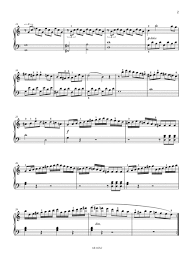
How to Get a Good Piano Transcript
Next, it’s important to pay close attention to the time signature of the piece. A time signature is a group of symbols that tells you what key the piece is written in, as well as how many beats are in each measure. This information is crucial when reading the sheet music because it gives you an idea of what tempo to play the piece at. It also helps you to know if there are any fast or slow parts of the piece, which is very helpful when trying to match a particular recording.
Finally, look for any notes that have a dot on them. Dots represent 1/2 of the note value, so when you see one of these in a piece of music, it means that you need to play the note for twice as long as usual. This is a useful trick to know when transcribing more complex chords, as it will help you to play the chord correctly while still staying true to the original recording.
Learning to read piano sheet music is an incredibly powerful skill that will open up a whole new world of possibilities for any musician. By following this guide, along with the interactive online piano learning app Skoove, you can start to understand and decipher the music that surrounds us all, like an international language that transcends borders and cultures. Enjoy your journey into the captivating world of musical notation!






































Post Comment