How do flex PCB suppliers ensure design compatibility?
flex PCB suppliers ensure design compatibility
The ability to bend and twist without affecting performance makes flex PCBs a great choice for electronic devices that need to adapt to the shape of their environment. This flexibility can also reduce weight, which improves device functionality and durability. Flex circuits are also highly dependable, allowing them to withstand vibrations and mechanical shocks, ensuring the stability of sensitive electronic components.
Unlike rigid flex pcb supplier that are made from fiberglass or metal, flex circuit cores are typically constructed of flexible polymer film substrates. The most common material used for these substrates is a thermosetting resin like polyimide (PI) that remains flexible after the thermosetting process. This enables flex circuits to endure high temperatures and humidity. The PI base also offers excellent resistance to tears and cracks.
Conductive copper traces are etched on the PI base to form the circuit’s interconnects, and these conductive paths are plated to keep their integrity over time. Rigid and flexible layers are then bonded together with a combination of thermal and pressure-sensitive adhesives. These cured flex assemblies are subjected to rigorous testing procedures, including IPC-6013 and IPC-2223 standards, to verify their reliability.
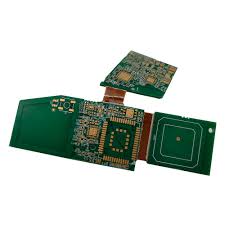
How do flex PCB suppliers ensure design compatibility?
When selecting a flex PCB supplier, it’s important to make sure they have the expertise and experience required to meet your specific requirements. A good supplier will be able to provide turnkey flex manufacturing and assembly services, which can help you save time and money while reducing risk. In addition, they should have the necessary quality certifications and registrations to ensure they comply with industry standards.
Mechanical robustness is a crucial aspect to consider when designing for flex PCBs, and it requires examining factors like bend radius compliance and stress distribution across different operational scenarios. It is also important to take strategic via placement into account, as this can mitigate signal distortion and improve the overall performance of a flexible PCB.
Choosing the right materials and thickness is crucial to achieving the desired level of flexibility in a flex PCB. In some cases, the flex PCB manufacturer may need to add what is called a stiffener, which is a layer of rigid material (typically FR4) added to specified areas on the flex circuit to increase its overall thickness.
It’s also important to select a flex pcb supplier that is able to deliver on your specific design requirements, which can include special finishes such as hard gold or soft gold covering. These finishing options can enhance aesthetics, protect the flex circuit from damage, and facilitate the soldering and assembly process. To find the best supplier for your specific needs, you can ask to see samples of their work and talk with them about your design specifications. Ultimately, the best flex pcb suppliers will be able to provide you with the high-quality product you need at an affordable price.















































Post Comment