
Are You Ready for the Future?

Key takeaways
Artificial intelligence (AI) is reshaping industries, redefining roles, and most crucially, transforming leadership. Leaders must adapt their leadership styles to thrive in this rapidly evolving landscape.
The new era of leadership is beyond human decision-making. AI can analyse vast amounts of data, predict outcomes, and even make recommendations, but it still lacks the human qualities that define effective leadership – common sense, empathy, and ethical judgment.
The risks and rewards of AI adoption are complex. A controlled approach is necessary to ensure that AI enhances, rather than disrupts, key workflows, and avoids security breaches, ethical dilemmas, and a potential disconnect between technology and human needs.
Despite AI’s rapid advancements, the human element remains the greatest variable in business success. Leaders should focus on leveraging AI to enhance human roles rather than replace them, and should consider how AI adoption impacts their teams, both in terms of skills and morale.
As AI continues to evolve, business leaders need to shape how AI is used within their organisations actively. This starts with developing a clear AI strategy that addresses key issues like data privacy, ethical use, and accountability.
The advent of AI presents an opportunity for a new kind of leadership that blends human intuition with machine precision. The greatest leaders will be those who understand AI and who also know how to balance its power with the irreplaceable value of human insight.
Artificial intelligence (AI) is more than just the latest tech buzzword; it’s a game-changer that’s reshaping industries, redefining roles, and, most crucially, transforming leadership.
The rise of AI is forcing businesses to rethink how they operate, make decisions, and lead their teams.
As AI integrates deeper into our everyday operations, leaders are faced with a new challenge: adapting their leadership styles to thrive in this rapidly evolving landscape.
For weekly insights and strategic advice, subscribe to the Demographics Decoded podcast, where we will continue to explore these trends and their implications in greater detail.
Subscribe now on your favourite Podcast player:
The new era of leadership: beyond human decision-making
Traditionally, leadership has hinged on human intuition, experience, and decision-making skills.
Leaders guided their organisations through uncertainties, often with limited information and significant reliance on gut feeling.
However, AI is changing the rules of the game.
With the ability to analyse vast amounts of data, predict outcomes, and even make recommendations, AI is stepping into the decision-making arena, offering unprecedented insights and efficiencies.
Yet, AI’s capabilities come with limitations.
While it excels at processing data and executing complex algorithms, it still lacks the human qualities that define effective leadership—common sense, empathy, and ethical judgment.
Simon Bowen, a thought leader in business strategy, underscores the critical distinction between AI’s potential and its current shortcomings: AI can suggest solutions, but it doesn’t grasp context or care about the consequences in the way humans do.
For instance, AI might optimise logistics, streamline workflows, or even handle negotiations with precision.
But can it navigate the nuanced dynamics of a team under pressure?
Can it inspire trust and loyalty?
Not yet.
This gap highlights why human leadership remains irreplaceable, even in an AI-driven world.
Leaders must still bring the “human touch,” providing context, care, and conscience—qualities that machines can’t replicate.
The risks and rewards of AI Adoption: controlled vs. curiosity adoption
The integration of AI into business operations presents a double-edged sword.
On one hand, AI offers remarkable tools that can drive productivity, enhance customer experiences, and open new market opportunities.
On the other hand, unchecked adoption can lead to significant pitfalls, including security breaches, ethical dilemmas, and a potential disconnect between technology and human needs.
Bowen emphasizes the importance of “controlled adoption” over “curiosity adoption.”
In the rush to stay ahead, businesses often experiment with new AI tools without a clear strategy, leading to inefficiencies and risks.
A more measured approach involves identifying critical business areas where AI can add the most value and deploying it thoughtfully.
This isn’t about jumping on every new trend; it’s about strategically integrating AI in ways that align with the company’s core objectives.
Take video editing as an example.
Advanced AI tools can now not only edit videos but also translate and sync speech in different languages seamlessly.
A company producing training content in multiple languages could see massive time and cost savings with AI-driven video tools.
However, adopting such technologies without clear guidelines can lead to inconsistencies and quality issues.
Controlled adoption ensures that AI enhances, rather than disrupts, key workflows.
The persistent power of the human element
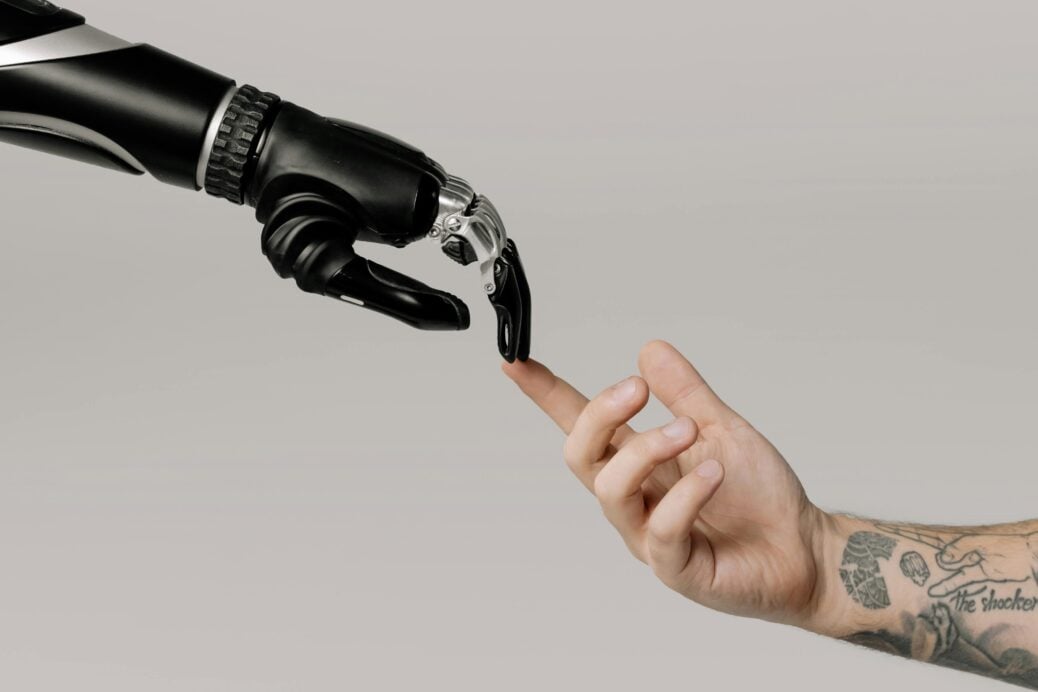
Despite AI’s rapid advancements, the human element remains the greatest variable in business success.
Leaders must focus on leveraging AI to enhance human roles rather than replace them.
As Bowen points out, AI’s most significant value lies in automating mundane tasks, thereby freeing employees to engage in more complex, creative, and interpersonal work.
This shift not only boosts job satisfaction but also drives better business outcomes, as employees focus on what truly matters.
However, this transformation requires a nuanced approach.
Leaders need to consider how AI adoption impacts their teams, both in terms of skills and morale.
AI might be great at handling data, but it’s the people who bring creativity, empathy, and strategic thinking—the very qualities that differentiate successful businesses in the marketplace.
For leaders, the goal should be to use AI to elevate human potential, not diminish it.
The current job market in Australia is grappling with talent shortages.
AI offers a partial solution by taking on roles that are hard to fill with human workers.
However, companies need to use AI in ways that complement and enhance human capabilities.
After all, a motivated, well-supported team remains a company’s most valuable asset, even in an AI-dominated world.
Preparing for the AI revolution: practical steps for business leaders
As AI continues to evolve, so must the strategies of those at the helm of businesses.
Leaders can’t afford to sit back and let AI happen to them; they need to shape how AI is used within their organisations actively.
Here are some practical steps for leaders looking to navigate this AI-driven transformation:
- Develop a Clear AI Strategy: Every business should have a comprehensive AI policy that addresses key issues like data privacy, ethical use, and accountability. This policy should guide how AI tools are selected, implemented, and monitored, ensuring they align with the company’s values and objectives.
- Focus on Critical Workflows: Instead of experimenting with AI in all areas, identify the critical workflows where AI can make the most impact. This might be in customer service, supply chain management, or product development. By targeting key areas, businesses can reap the benefits of AI without the risks associated with widespread, unregulated adoption.
- Invest in Your People: AI is a tool, not a replacement for human talent. Leaders should invest in training their teams to work alongside AI, enhancing their roles and preparing them for the future of work. This might involve upskilling employees in AI literacy or reshaping roles to focus more on strategic and creative tasks.
- Consider the Long-Term Implications: AI isn’t just a short-term solution; its impacts will reverberate for decades. Leaders need to think long-term, considering how today’s AI decisions will be judged in the future. This involves not only ethical considerations but also the potential societal impacts of AI adoption.
- Embrace a Mindset of Continuous Learning: The pace of AI development means that staying current is not just beneficial—it’s essential. Leaders should make continuous learning a part of their organizational culture, encouraging curiosity and innovation while maintaining a strong ethical foundation.
Looking ahead: the role of AI in shaping tomorrow’s leaders
The advent of AI presents an opportunity for a new kind of leadership—one that blends human intuition with machine precision.
As AI becomes more integrated into the business landscape, the leaders who will thrive are those who embrace this blend, using AI to enhance their decision-making, deepen their understanding, and drive greater value for their teams and stakeholders.
But perhaps the most important takeaway is this: AI doesn’t replace the need for good leadership; it amplifies it.
In a world where technology can handle the details, the role of leaders becomes more about guiding vision, inspiring people, and making ethical decisions that technology cannot.
AI may be set to upend many aspects of how we work, but at its core, leadership remains a profoundly human endeavour.
And in this new era, the greatest leaders will be those who not only understand AI but who also know how to balance its power with the irreplaceable value of human insight.
The question isn’t whether AI will change leadership—it’s whether you’re ready to lead in an AI-driven world.
Are you prepared?
For weekly insights and strategic advice, subscribe to the Demographics Decoded podcast, where we will continue to explore these trends and their implications in greater detail.
Subscribe now on your favourite Podcast player:

















































Post Comment