Can coworkers be responsible for Workplace harassment?
Yes, coworkers can be responsible for Workplace harassment when their behavior creates an intimidating, offensive, or hostile work environment. Harassment is not limited to actions by supervisors or managers. Repeated bullying, discriminatory remarks, unwanted jokes, verbal abuse, exclusion, or inappropriate conduct by colleagues may violate workplace policies and human rights protections. Since human rights legislation holds a unique legal status that generally overrides conflicting laws outside constitutional provisions, employees are entitled to strong protection against workplace misconduct. Additional legal guidance is available through htwlaw.ca.
How Coworkers Can Commit Workplace harassment
Many people assume harassment only occurs between managers and employees, but coworkers can also engage in conduct that violates workplace standards. Repeated insults, offensive comments, intimidation, spreading rumors, practical jokes intended to humiliate someone, or discriminatory treatment based on protected characteristics may all constitute harassment. Employers are expected to respond to these complaints regardless of the offender’s position. When the misconduct involves inappropriate sexual behavior, speaking with a Sexual harassment in the workplace lawyer Toronto can help employees better understand their legal rights and available remedies.
Employer Responsibilities When Coworkers Harass Others
Even when harassment is committed by another employee rather than management, employers remain responsible for maintaining a safe and respectful workplace. Organizations should have clear reporting procedures, investigate complaints promptly, protect employees from retaliation, and take appropriate corrective action when allegations are substantiated. Ignoring complaints may expose employers to legal consequences while allowing harmful behavior to continue. Addressing Workplace harassment without delay demonstrates a commitment to fairness, equality, and compliance with applicable human rights obligations in the workplace.
Recognizing Coworker Harassment
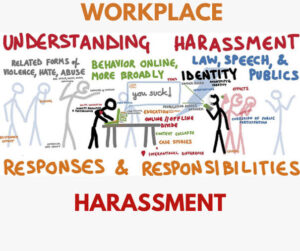
Coworker harassment can take many forms, including repeated teasing, verbal abuse, offensive messages, deliberate isolation from team activities, threats, or persistent criticism intended to undermine another employee. Victims may experience increased stress, declining confidence, reduced productivity, and difficulty participating in workplace activities. These behaviors should never be dismissed as harmless personality conflicts if they create a hostile work environment. When incidents involve sexual comments or unwanted advances, consulting a Sexual harassment in the workplace lawyer Toronto may provide valuable legal guidance for protecting your rights.
Reporting and Documenting the Conduct
Employees who experience Workplace harassment from coworkers should carefully document each incident by recording dates, locations, witnesses, and preserving emails, messages, or other supporting evidence. Reporting concerns through the employer’s established complaint process allows the organization to investigate and address the matter appropriately. Maintaining accurate records also strengthens any future legal claim if internal procedures fail to resolve the issue. Prompt reporting helps prevent continued misconduct and supports a healthier, more respectful workplace for everyone.
Protecting Your Rights Against Coworker Harassment
No employee should tolerate ongoing mistreatment simply because it comes from a coworker rather than a supervisor. Human rights protections apply to harassment regardless of who commits the misconduct, and employees have the right to seek appropriate remedies when discrimination or abusive behavior occurs. If internal reporting does not resolve serious concerns, obtaining advice from a Sexual harassment in the workplace lawyer Toronto may help clarify available legal options. Taking timely action against Workplace harassment promotes accountability, protects employee well-being, and encourages a workplace culture built on dignity, respect, and inclusion.















































Post Comment